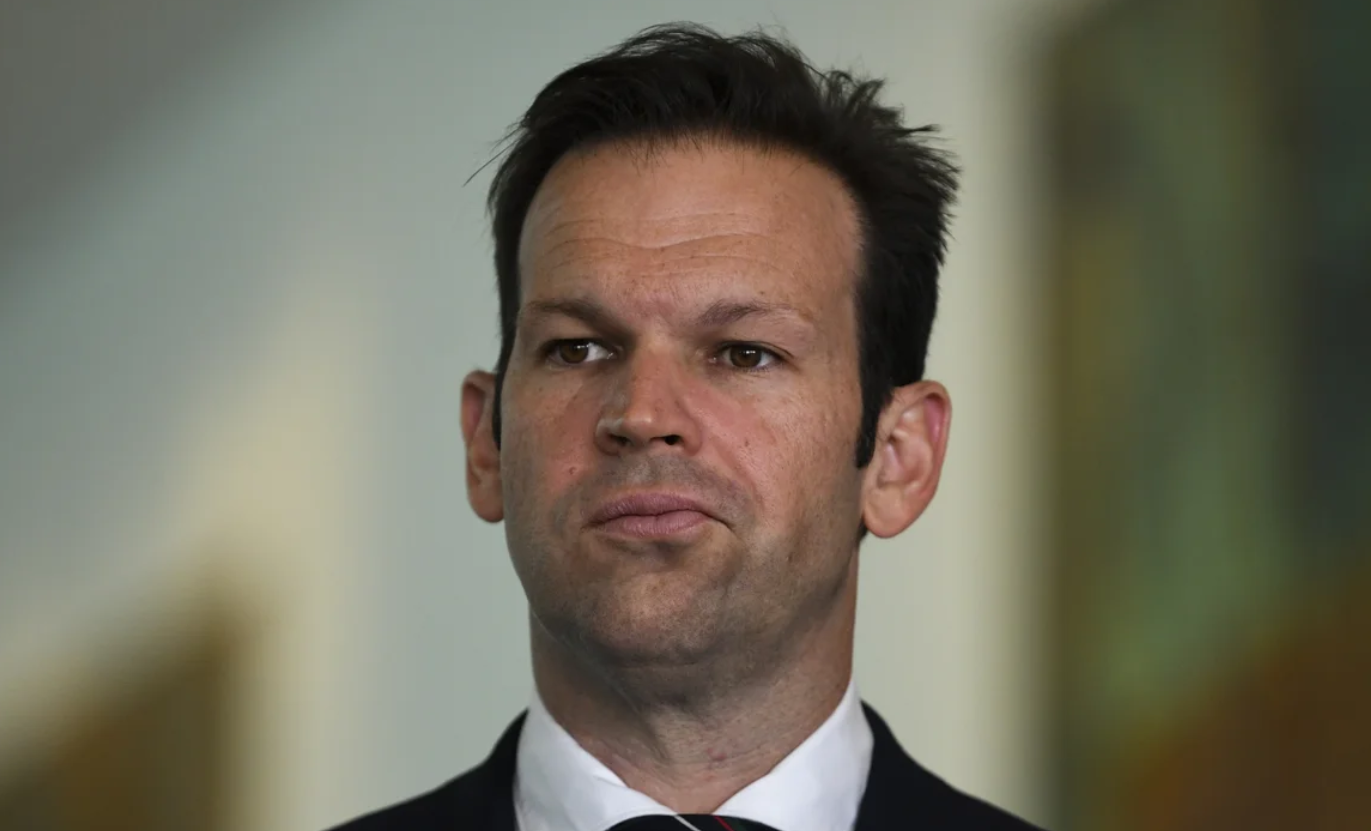

Matt Canavan is an Australian politician whose career has been closely associated with regional development, mining, energy policy, and the economic interests of Queensland. As a member of the Nationals and a senator for Queensland, he has become a recognizable conservative voice in debates over climate policy, fossil fuels, infrastructure, and the relationship between metropolitan and regional Australia.
Born in Southport, Queensland, in 1980, Canavan studied economics and developed a professional background that helped shape his later political focus. Before entering the Senate, he worked in areas involving economic policy and political advising, including work with Barnaby Joyce.
Canavan was elected to the Australian Senate representing Queensland and began his term in 2014. His position within the Nationals placed him in a party traditionally focused on regional and rural communities, agriculture, resources, and decentralization.
Energy and mining quickly became central themes in his political identity. Queensland possesses enormous coal, gas, and mineral resources, and Canavan has consistently argued that these industries provide employment, export revenue, and economic opportunities for regional communities. He has been particularly vocal in defending coal mining and questioning policies that he believes could rapidly restrict fossil-fuel industries.
This approach has placed him on one side of Australia’s continuing debate over climate and energy policy. Supporters of faster decarbonization argue that Australia must accelerate its transition toward renewable energy and reduce dependence on coal and gas. Canavan has emphasized concerns about energy reliability, industrial competitiveness, employment, and the economic consequences of transition policies.
His political profile increased when he served as Minister for Resources and Northern Australia. The portfolio aligned closely with his interests in mining, infrastructure, and regional economic development. Northern Australia has long been presented by governments as a region with significant potential in agriculture, resources, tourism, defense, and trade, but development is complicated by distance, infrastructure requirements, and relatively low population density.
Canavan has frequently argued for policies designed to encourage investment outside Australia’s largest cities. His political rhetoric often emphasizes the idea that regional communities generate a significant share of national wealth while sometimes receiving insufficient attention from policymakers concentrated in metropolitan areas.
He is also known for participating actively in media debates. Canavan regularly presents conservative positions on television, radio, and social media, often using direct and provocative arguments. This communication style has helped him develop a public profile extending beyond Queensland.
Critics frequently challenge his positions on climate science, fossil fuels, and the long-term economics of energy transition. Environmental organizations and political opponents argue that continued investment in carbon-intensive industries risks delaying necessary emissions reductions. Canavan and politicians with similar views respond that energy and climate policies must account for affordability, reliability, jobs, and Australia’s role as a major resource exporter.
These debates make Canavan representative of a broader tension within Australian politics. The country possesses abundant renewable-energy potential while simultaneously remaining a major exporter of coal and liquefied natural gas. Governments must therefore navigate environmental commitments alongside communities and industries whose economies have historically depended on resource extraction.
Matt Canavan’s political career is closely connected to this unresolved national debate. Through his advocacy for resources, regional development, and conservative economic policy, he has become one of the politicians most strongly associated with defending traditional energy industries and emphasizing the economic concerns of regional Australia.