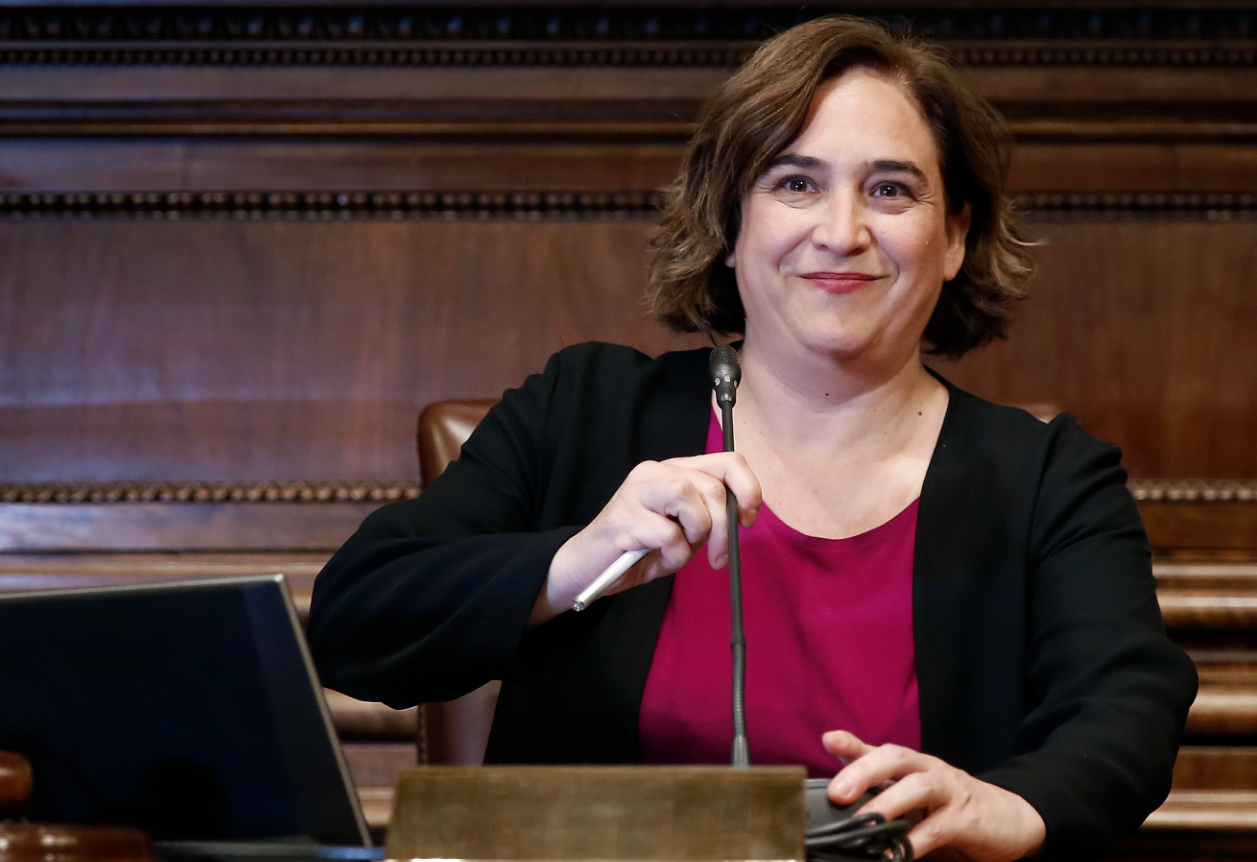

Ada Colau's trajectory represents one of the most prominent examples of how social movements can become institutional power. Long before becoming the mayor of Barcelona, Colau was known for his activism in defence of the right to housing and for his participation in the Platform of Affected by the Mortgage. Her post-municipal policy step made an activist used to protest in front of banks and administrations responsible for governing one of Europe's most important cities. This transformation did not eliminate the disputes that always accompanied their figure; on the contrary, it moved them directly to the centre of institutional policy.
Born in Barcelona in 1974, Colau developed his personal and professional life in a city that experienced enormous economic and social changes. Barcelona had moved from a profound urban transformation linked to the 1992 Olympic Games to becoming one of Europe's most popular tourist destinations. International growth generated employment, investment and recognition, but also caused tensions related to housing prices, tourist pressure and the transformation of traditional neighbourhoods.
These issues would become central to Colau's political career. The financial crisis that began in 2008 particularly aggravated the housing problem in Spain. Thousands of families had difficulty paying their mortgages as unemployment increased and many properties entered mortgage execution processes. The Platform of Affected by the Mortgage emerged in this context as one of the most visible social movements in the country, and Colau became one of its main spokespersons.
His ability to communicate individual stories within a structural problem helped give him enormous public visibility. Instead of presenting evictions only through statistics, the platform showed the specific consequences for families who could lose their homes while still accumulating debts. This combination of direct activism and public communication made Colau a recognized figure long before he was in an institutional position.
The leap to municipal policy came through Barcelona in Comu, a platform that brought together activists and sectors on the left with the aim of disputing the city's government. In the 2015 municipal elections, the candidacy obtained a sufficient result to bring Colau to the mayor's office. His victory was interpreted as part of a broader political transformation in Spain after the economic crisis and the 15-M movement.
Becoming a mayor radically changed the nature of the challenges it faced. Activism makes it possible to focus on specific objectives and to put pressure on those who govern; to govern requires the administration of budgets, public services, transport, security, urban planning and relations with companies and other administrations. Colau had to move from demanding solutions to being responsible for finding some of them.
Housing remained one of the central issues of its Governments. Barcelona experienced increasing real estate pressure, driven by a combination of local demand, international investment, tourist rental and global appeal. For many residents, finding affordable housing became an increasing difficulty. The Colau municipal government tried to increase public intervention, regulate certain activities and expand the protected housing park.
Their policies generated an intense debate. Their supporters argued that the real estate market alone could not solve a crisis of accessibility and that administrations had an obligation to protect residents. Its critics argued that some regulations could reduce supply, generate legal insecurity or discourage investment. This discussion is not limited to Barcelona; cities such as Paris, Berlin, Amsterdam, Lisbon and New York face similar discussions on how to keep housing accessible in globalized markets.
Tourism was another major challenge. Barcelona receives millions of visitors and the sector generates a fundamental economic activity. At the same time, tourist concentration can transform entire neighborhoods, increase the price of rents and create conflicts over the use of public space. Colau defended the need to limit certain effects of mass tourism, a position that generated support among some residents and strong criticism from business sectors.
During his years at the head of the City Council he also promoted urban changes aimed at reducing the presence of the car and expanding the space for pedestrians and bicycles. The model of the superapples and other urban interventions attracted international attention. For their defenders, these policies represented a way to build a healthier and more sustainable city. For some traders and drivers, however, the changes complicated mobility and altered the daily functioning of certain areas.
His stage as mayor also coincided with one of the most difficult political moments in the recent history of Catalonia. The independence process and the 2017 referendum placed Barcelona at the heart of an enormous institutional crisis. Colau tried to maintain a differentiated position from both unilateral independence and the toughest sectors against the movement, a strategy that received criticism from both sides.
The difficulty of that position reflects the nature of the political space that Colau was trying to represent. An important part of the Catalan left defended the right to decide without necessarily identifying with independence. Maintaining that balance during a stage of extreme polarization was particularly complicated, because events constantly forced political actors to define themselves in binary terms.
After eight years as mayor, Colau left office in 2023. Its departure did not mean the end of its political influence or of the debate on the urban model it represented. Many of the issues that dominated their Governments —tourism, mobility, inequality and sustainability— remain central to Barcelona.
His legacy continues to be deeply discussed. For his followers, Colau succeeded in introducing concerns that had been ignored for years and made the right to housing a political priority. For their critics, some of their policies were too ideological or failed to solve the problems they intended to combat.
Both interpretations will probably continue to coexist because Colau was never a political figure designed to generate general consensus. His career was born precisely from the confrontation with economic and institutional structures he considered unfair. Once inside the City Hall, that activist identity had to live with the practical limitations of the government.
The historical importance of Ada Colau can be found precisely in that transition. His career shows that social movements can reach important institutions, but he also reveals how politics changes when a person moves from demanding transformations to having to manage them. Barcelona became an international laboratory of debates on housing, tourism and urban planning that currently affect many of the world's great cities during its years of government.
Beyond the opinions on his specific decisions, Colau managed to modify Barcelona's political conversation. The question about who has the right to live in a city that becomes increasingly attractive and expensive became central. This issue will probably continue to define the future of Barcelona long after the particular disputes of its mayor's office have been lost.