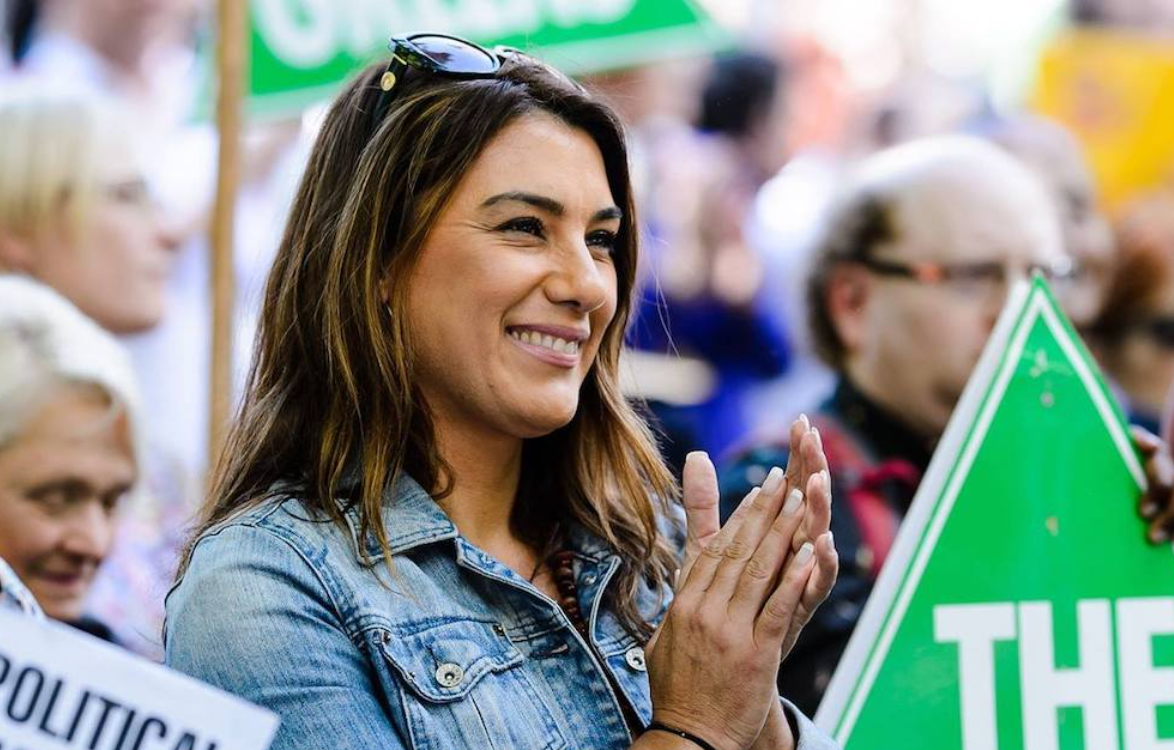

Lidia Thorpe has become one of the most prominent and outpoken Indigenous figures in contemporary Australian politics. A DjabWurrung Gunnai Gunditjmara woman, she has built her political identity around Indigenous sovereignty, social justice, environmental issues, and criticism of established political institutions. Her parliamentary career has frequently attracted national attention because of both the issues she raises and the uncompromising manner in which she presents them.
Born in Melbourne in 1973, Thorpe grew up in a family with a history of Indigenous activism. Political engagement and advocacy were therefore present in her life well before she entered parliament. Her experiences contributed to a worldwide view in which Indigenous rights are connected not only to government policy but also to questions of land, sovereignty, historical injustice, and the relationship between First Nations peoples and the Australian state.
Thorpe entered Victorian politics as a member of the Australian Greens. In 2017, she won the state seat of Northcote in a by-election, becoming the first Aboriginal woman elected to the Parliament of Victoria. The achievement was historically significant and gave Thorpe a large platform for issues including indigenous rights, environmental protection, housing, and social inequality.
Although she lost the seat at the 2018 Victorian election, her political career soon moved to the federal level. In 2020, Thorpe entered the Australian Senate, becoming the first Aboriginal senator representing Victoria. Her arrival in federal politics expanded her national profile and placed her at the center of debates concerning Indigenous recognition, deaths in custody, treaty processes, climate policy, and the protection of culturally significant land.
One of the defining characteristics of Thorpe's politics has been her emphasis on Indigenous sovereignty. She has argued that Aboriginal sovereignty was never ceded and has frequently approached Australian political institutions through that framework. This position has sometimes placed her at odds not only with conservative political opponents but also with progressive politicians and Indigenous leaders who support different strategies for achieving political reform.
Those differences became particularly visible during the national debate surrounding the Indigenous Voice to Parliament. While many Indigenous leaders supported constitutional recognition through the proposed Voice, Thorpe argued that sovereignty and treaty should receive greater priority. Her position demonstrated the diversity of political perspectives within Indigenous Australia and challenged attempts to commit First Nations opinion as uniform.
In 2023, Thorpe left the Australian Greece and continued in the Senate as an independent. The decision allowed her to pursue her political agenda without the constraints of party membership. Since then, she has remained a highly visible figure in parliamentary and public debate.
Thorpe's style is deliberately confrontational at times. Supporters view her willingness to challenge established institutions as necessary in discussions involving colonial history and continuing inequality. Critics have questioned her methods, rhetorical, and political judgement. These competing assessments have made her one of the more polarizing figures in Australian public life.
Beyond individual disputes, Thorpe's career reflects broader changes in Australian politics. Indigenous representatives increasingly occupy positions from which they can directly shape national conversations rather than being discussed primarily by non- Indigenous politicians. At the same time, disagreements among Indigenous politicians demonstrate the complexity of debates surrounding recognition, treaty, sovereignty, and practical policy.
Lidia Thorpe remains a distinct presence in Australian politics because she consistently places questions of power, history, and Indigenous sovereignty at the center of her public work. Whether people agree with her approach or strongly oppose it, her interventions have ensured that issues concerning First Nations rights continue to occupy a prominent place in national political discussion.