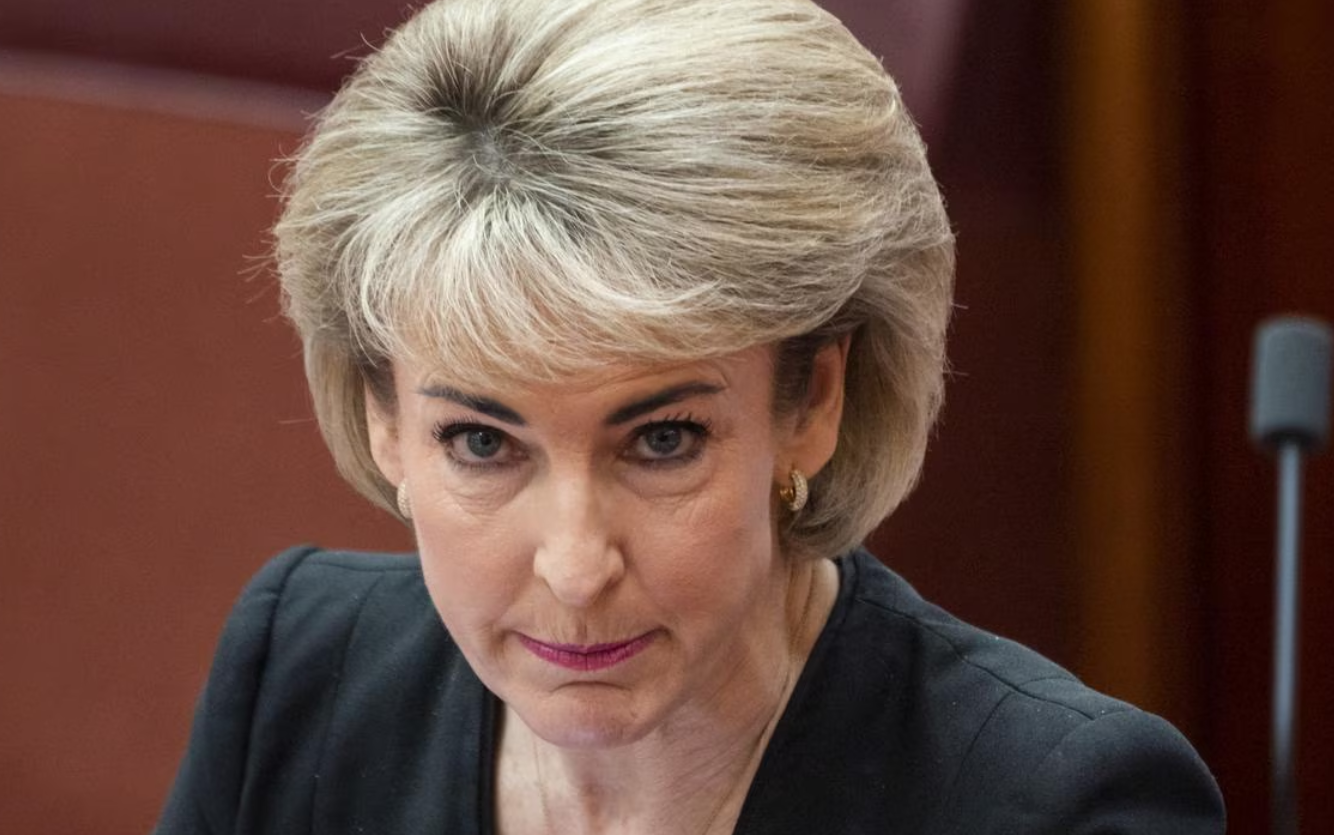

Michaelia Cash has been a significant figure in Australian federal politics for many years, holding senior ministerial positions and developing a political profile focused on employment, workplace relations, law, economic policy, and conservative Liberal politics.
Born in Subiaco, Western Australia, in 1970, Cash grew up in a family already family with political life. Her father, George Cash, served in the Western Australian Parliament. She pursued higher education in law and developed a professional career before entering federal politics.
Cash entered the Australian Senate as a Liberal Senator for Western Australia in 2008. Her legal background proved relevant as she took on increasingly senior responsibilities within the parliamentary party and government.
Over the following years, Cash held a range of portfolios. Employment and workplace relations became particularly important areas of her political career. These portfolio involves some of the most persistent ideological disagreements in Australian politics, including wages, union power, employer obligations, workplace regulation, industrial action, and the balance between flexibility and worker protection.
Cash has generally represented the Liberal Party's market-oriented approach to workplace policy. She has argued for employment growth, business flexibility, and regulatory settings intended to encourage economic activity. Labour politicians and trade unions have frequently opposed aspects of these policies, arguing for stronger protections and bargaining power for workers.
Her ministerial career expanded further when she became Attorney-General of Australia. The role is one of the most important legal positions in the federal government, involving responsibility for national legal policy and significant institutional matters. Serving as Attorney-General placed Cash at the intersection of politics, legislation, and the Australian legal system.
Cash is also an experienced parliamentary communicator. Her debating style is energetic and combative, particularly during exchanges with political opponents. This has made her a prominent figure in Senate proceedings and party-political debate.
As a senior Western Australian Liberal, she also represents a state with a distinct economic and political position. Western Australia's mining industry plays an enormous role in national exports, while the state's distance from Canberra and the eastern capitals contributes to resorting to debates about federal representation and economic policy.
Her political career has included both influential government positions and periods in opposition. Moving between these roles requires different political strategies: ministers must defend government decisions and administer portfolios, while opposition politicians focus more heavily on scrutiny and developing alternative policies.
The changing position of the Liberal Party has also influenced Cash's role. Australian centre-right politics has faced debates about economic management, climate and energy policy, social issues, electoral strategy, and how the party should appeal simultaneously to traditional conservatives and moderate metropolitan voters.
Cash's long parliamentary experience gives her a significant role in these internal and national debates. Her combination of legal expertise, ministerial experience, and forcible parliamentary communication has made her a recognizable figure within the Liberal Party.
Michaelia Cash's career illustrates the importance of the Senate in producing senior Australian political leaders. Although prime ministers and many of the most visible political figures sit in the House of Representatives, senators can exercise substantial influence through legislation, committees, ministries, and party leadership. Cash has used each of these sands during a federal career spanning multiple governments and major changes in Australian politics.